2026 ICPC Plenary in Athens – Day 1
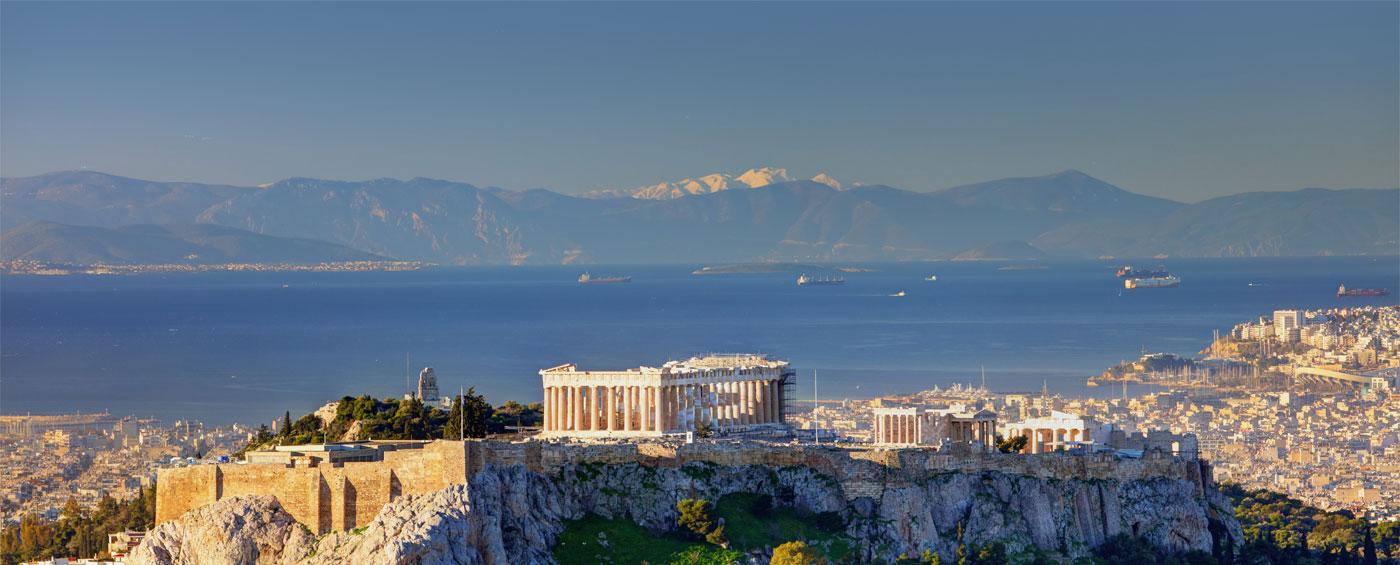
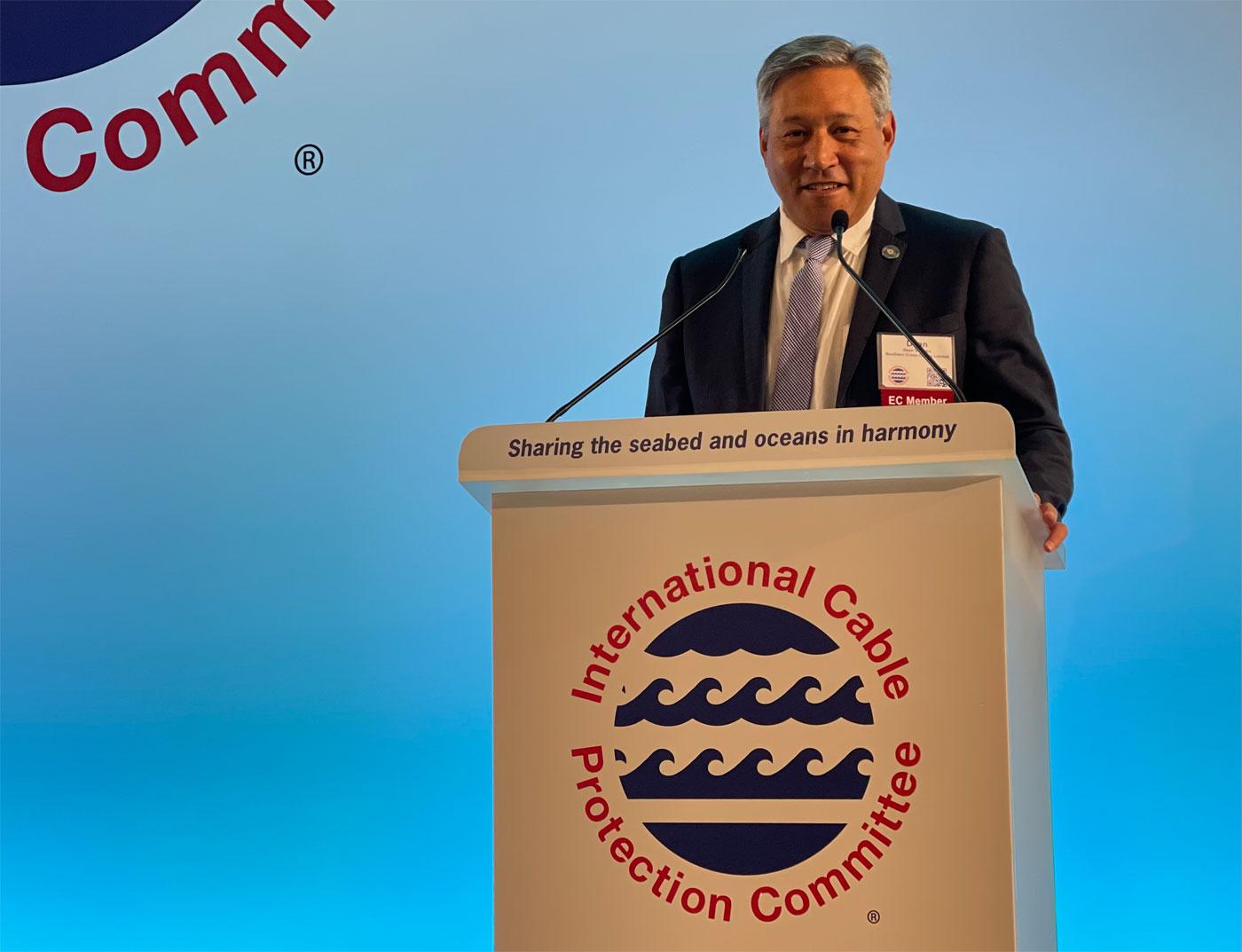
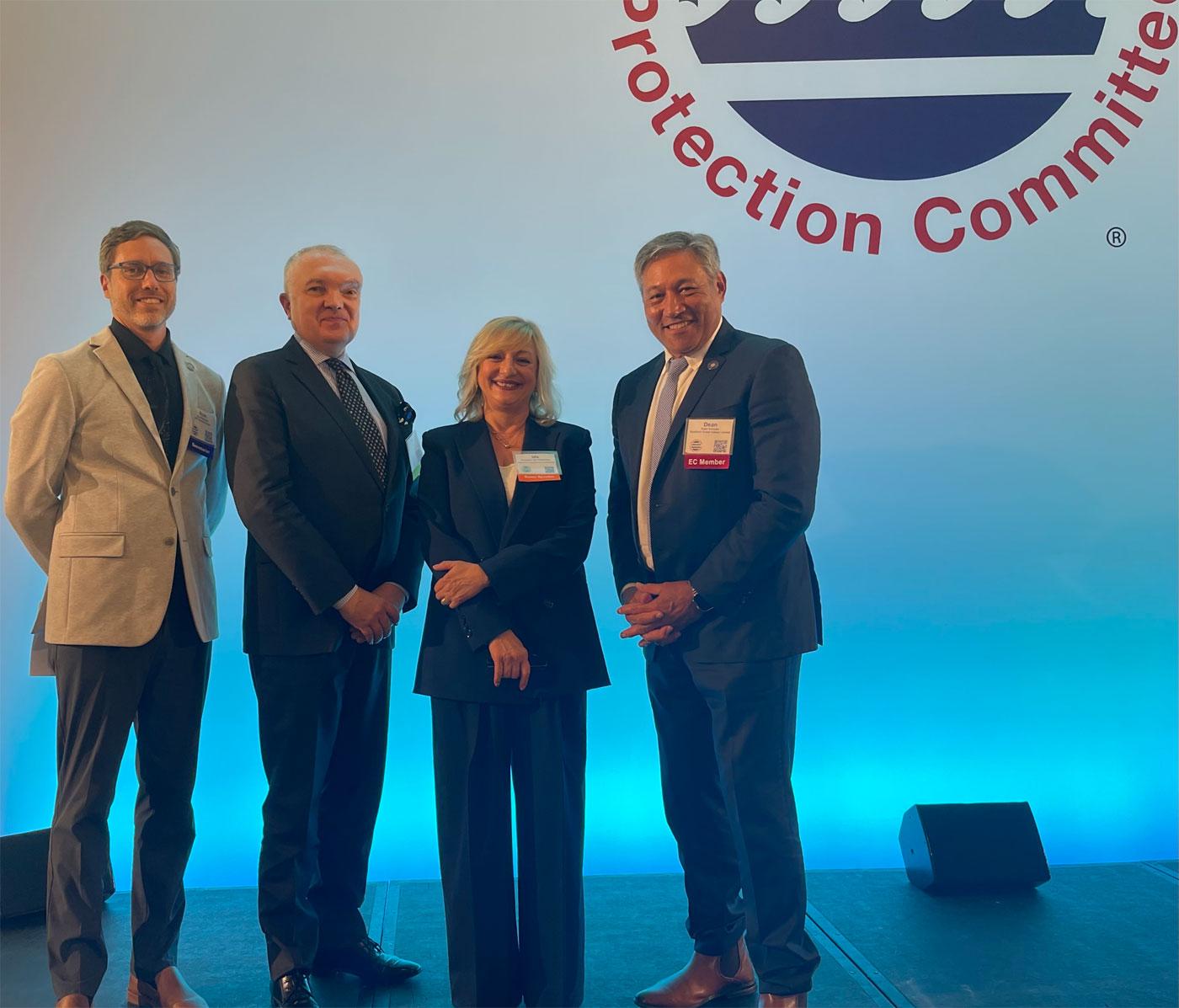
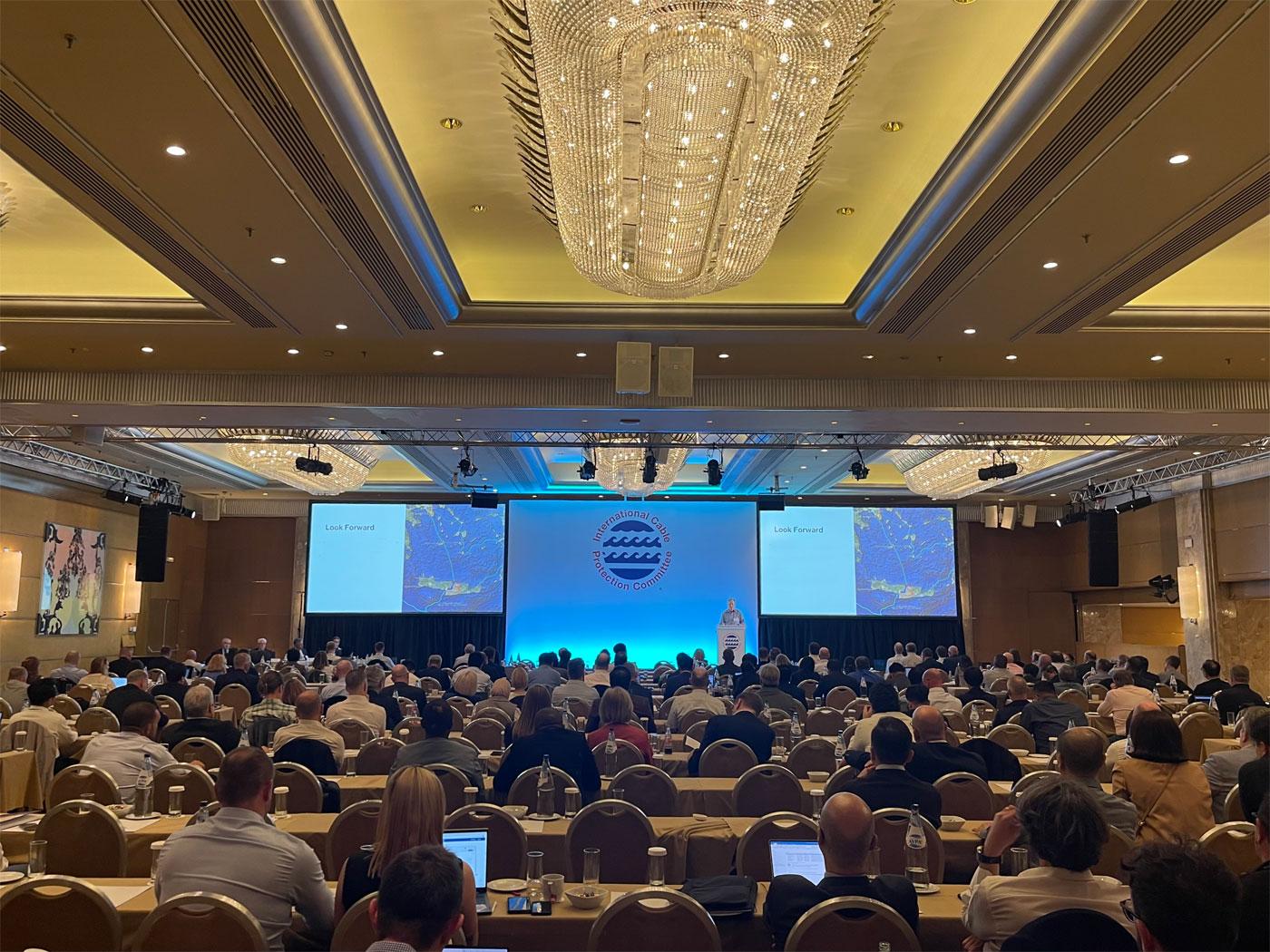
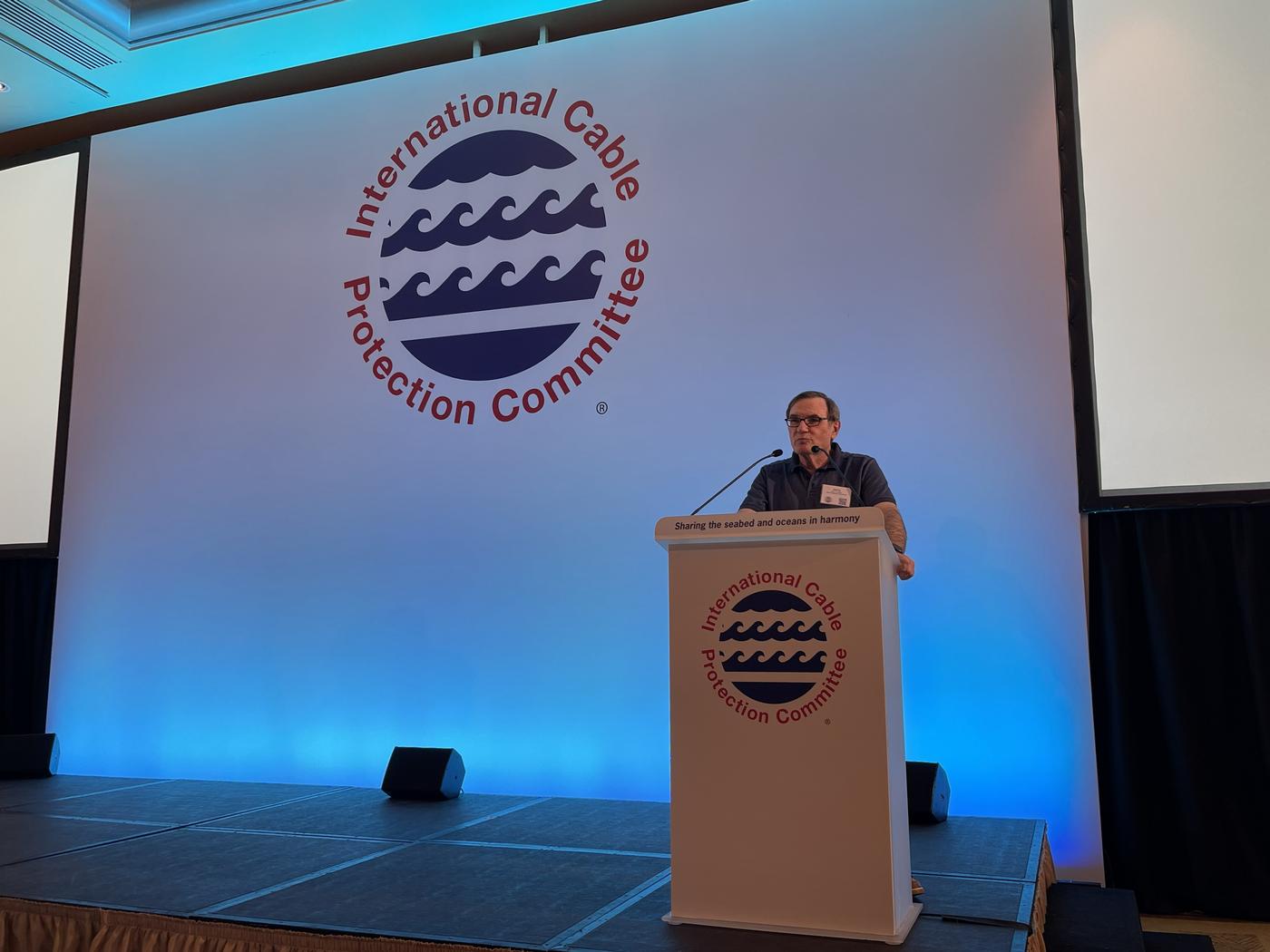
ICPC Chairman Dean Veverka and ICPC General Manager Ryan Wopschall, opened this year’s plenary in historic Athens, Greece. The theme of this year’s plenary is ‘collaboration to protect global connectivity,’ with the goal to discuss the many challenges and opportunities that continue to shape the future of critical global undersea cable infrastructure.
The ICPC, founded in 1958, has grown to 258 members with 168 Full Members, 78 Associate Members, and 10 Government Members whose combined mission is to be the ‘the world’s leading organisation promoting submarine cable protection and resilience.’ The ICPC has a ‘global network of reliable and resilient submarine cables that coexist with the marine environment’ vision and ‘sharing the seabed and oceans in harmony’ slogan.
To foster this mission and vision, the prime activities of the ICPC include the following:
- Promote awareness of submarine cables as critical infrastructure to governments and other users of the seabed
- Establish internationally agreed recommendations for cable installation, protection and maintenance
- Monitor the evolution of international treaties and national legislation and help to ensure that submarine cable interests are fully protected
- Liaison with United Nations (UN) Bodies
Ryan Wopschall discussed ICPC website updates including the latest news, spotlight news, media inquiries, viewpoints, environment and legal library updates, and Working Group updates.
Current ICPC Operations Manager John Wrottesley covered several projects including the International Advisory Body (IAB) on Submarine Cable Resilience symposium, the Valentia Island Cable Resilience Symposium, new ICPC Viewpoints (charting submarine cables, damage from dragged anchors, fiber-optic sensing), and several ICPC projects.
The morning (only open to ICPC Members) focused on Working Group updates on topics including sensing technology, geopolitics, cable physical threats, recovery and recycling, ecological impacts, research projects, ICPC best practices, and evolving climate change.
If you would like to learn more, please contact the presenters listed below.
- Business Plan—Bens Sims
- Cable Materials—Alwyn du Plessis
- Charting—Graham Evans
- Legal—Kent Bressie
- Marine Environment—Dr Mike Clare
- Media & Public Relations—Dean Veverka
- Recommendations Steering Group—Andy-Palmer Felgate
- Sensing—Simon Webster
- ‘The Role of the International Tribunal for the Law of the Sea vis-à-vis Activities at Sea’—invited guest speaker Judge Ida Caracciolo
- ‘Cable Protection at Mediterranean Sea: Focus on Greek Projects’—Aikaterini Prousanidou from Asso.subsea
- ‘Build It and They Will Come: Tympaki Cable Station Case Study’—Owen Bryant from Vodafone
- ‘North of 70: Arctic Cable Repair’— David Wilkie from IT International Telecom
- ‘Collaborative Insights from APAC and Trans-Pacific Submarine Cable Construction: Incident Trends and Weather-Related Risks During the Installation Phase’—Naoto Inoue from NEC Networks & System Integration Corporation
The ICPC would also like to thank the onsite exhibitors: Global Project Solutions (GPS) Data Net, Mertech Marine, Starboard Maritime Intelligence, Subsea Environmental Services, and UltramapGlobal.
Day 1 is a wrap! Opa!
Stay tuned for a summary of Day 2 of the ICPC Plenary!
2026 ICPC Plenary in Athens – Day 2
Day 2 of the ICPC plenary was packed with insights, discussions, and presentations with key highlights and takeaways provided below. If any of these summaries pique your interest, download the full presentation when available on the members area of ICPC website, or reach out directly to the presenters.
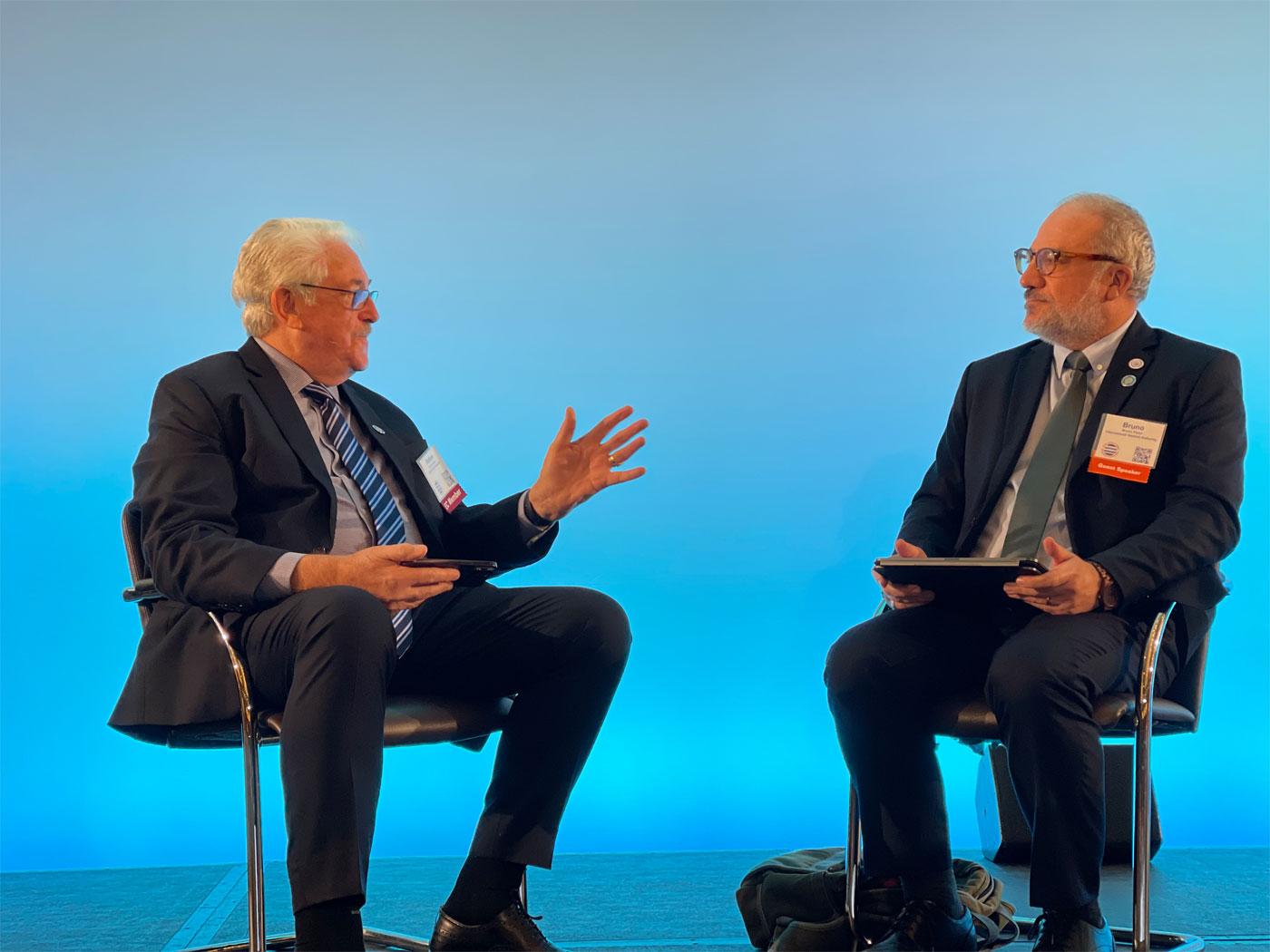
Graham Evans, ICPC Vice Chair, presented the importance of ongoing collaboration (ex. workshops, dialogue, meetings, etc.) between the ICPC and International Seabed Authority (ISA).Bruno Pozzi, Chef de Cabinet at the ISA then presented the growing importance of ongoing collaboration between all marine environment stakeholders with the goal of practical and effective outcomes to protect the international seabed. A fireside chat ensued covering the environmental impact of deep seabed mining, subsea cables, and Biodiversity Beyond National Jurisdiction (BBNJ).
Siddharth Uppal, Senior Product & Business Intelligence Manager at NKT, presented “MakeSense of your Cable Monitoring Data” covering the benefits of combining distributed temperature sensing, distributed acoustic sensing, geophysical marine survey data, Automatic Identification System (AIS), and electrical sensing to better protect critical undersea cable infrastructure. Also covered were related challenges of data ownership, cybersecurity, and analytics.
Dr. Anna Butchart, Critical Undersea Infrastructure Advisor at BAE Systems Digital Intelligence, presented “Resilience & Security: Infrastructure Growth & Stability; Defence Considerations for Submarine Cables: Demystifying Deterrence: Government Approaches to Preventing Hybrid Attacks from Hostile States.” The growing increase in hybrid attacks allowing hostile states to achieve various objectives via cyberattacks (ex. malware, ransomware, hacking), personal attacks on foreign soil, arson, and sabotage were covered. The conclusion was for industry and government to work together to ensure resilience and security of the critical global subsea cable network.
Kent Bressie, ICPC International Cable Law Adviser, presented “Intentional Damage & Cable Security” covering how the ICPC consults extensively with governments, regional bodies, international organisations, and ICPC government observers to share information to understand risks to subsea cables to continually improve resilience and security. Several cases (ex. Eagle S, Middle East war, shadow fleet, and unusual government vessel activity) were covered. Kent then explained what the ICPC does to help foster a more holistic approach to cable protection and risk.
Jack Ma Hui, DTS & Survey Manager at HMN Technologies, presented “Typhoon-Induced Cable Damage & Innovative Repair in the Boulder-Scattered Waterline Zone“ covering a case study showing various techniques (concrete, burial, concrete mattress) protecting a subsea cable making landfall and how a typhoon exposed and damaged it from 2020 to 2024. Jack then explained how new protection methods (ex. wave dissipation blocks) was used to ensure a more robust and secure installation against future typhoons, which was proven effective when impacted by the strongest typhoon in the North Pacific in 2025.
Oscar Pyrgies, Marine Spatial Planning Manager, and Alice Ramsay, Portfolio Manager, both from The Crown Estate, presented “Making Room for Connectivity: Evidence Based Seabed Planning for Subsea Telecoms.” Seabed evidence-based processes were covered, including definitions and data sourcing, spatial modelling, modelling refinement, and cross-section understanding through the Routemap platform. Modelled sectors include telecom, offshore wind, power cables, CCUS (Carbon Capture, Usage, and Storage), aggregates, tidal stream, and tidal range. A walkthrough of how the Routemap platform creates a potential area of opportunity for subsea telecom cables was provided.
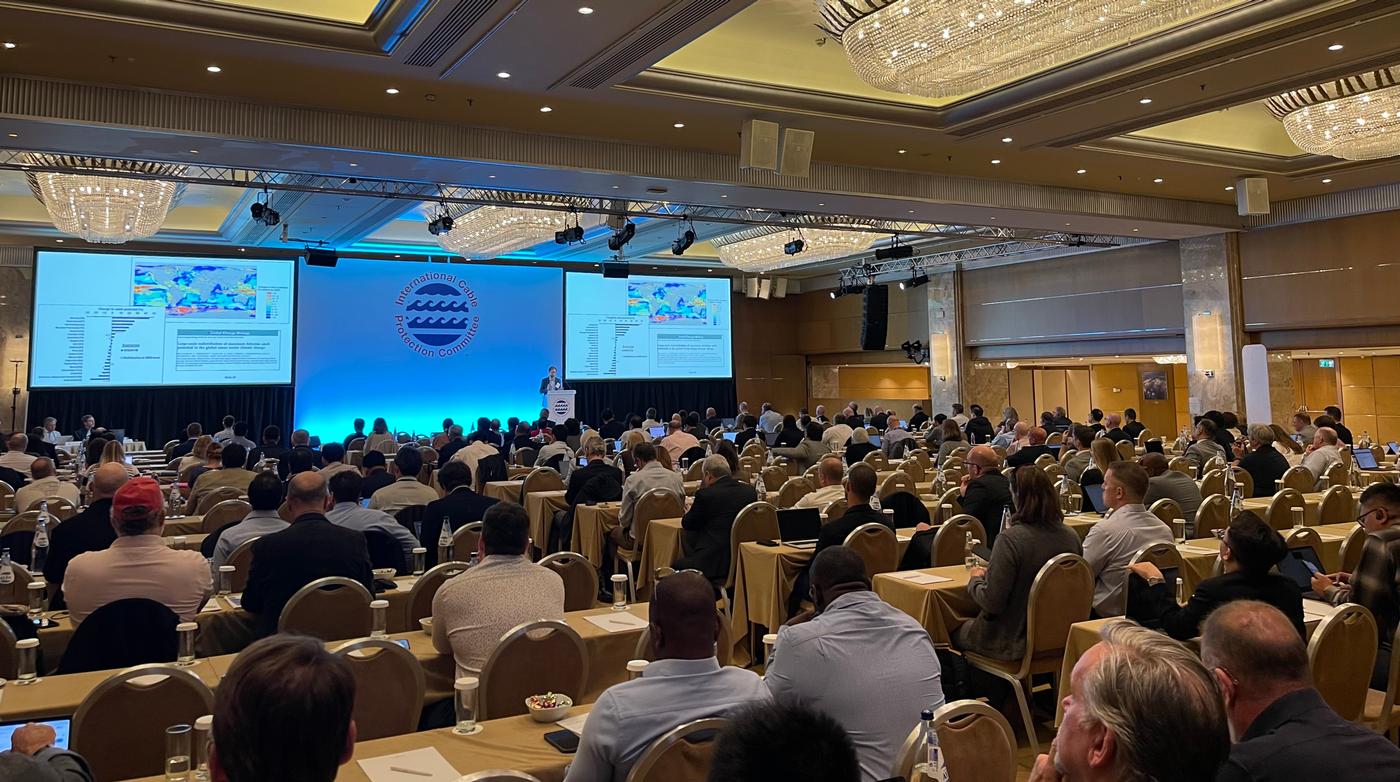
Dr Mike Clare, ICPC Marine Scientific Adviser, presented a “Marine Environment Update” covering the effects of climate change on oceans including record heat and warming, intensified weather, marine ecosystem damage, sea level rise and flooding, acidity levels, and their combined negative economic impacts. Mike detailed the impacts of climate change on fishing activities and the related effects on subsea cables plus what can be done (ex. modeling, studies, regulation…) to minimise and/or improve the global resiliency of critical submerged infrastructure.
Andy Palmer-Felgate, Submarine Cable Engineer at Meta, presented “Global Cable Repair Data Analysis” where 178 repairs took place in 2025 vs. the 190 annual average. There were repairs across 137 jurisdictions with an average notified to departure time of 23.4 days, average transit time of 7.7 days, longest repair delay of 947 days, and percentage service-affecting of 52%. An increase in kilometers-per-repair was due to improved cable protection, especially on newer vs. older ones that have been decommissioned. This analysis is possible using data issued to the ICPC by numerous sources allowing for the creation of an important annual subsea cable infrastructure snapshot.
Isabel Triggs, Project Engineer at Red Penguin Marine and winner of the ICPC-ESCA NextGen Innovation Catalyst Award, presented “Case Study: Synergy Between Telecom & Power Cables in a Potential Repair Scenario” related to Basslink, a 290km subsea power cable across the Bass Strait connecting Tasmania and Victoria, Australia. Isabel compared the impacts and different repair challenges related to subsea telecom cables vs. subsea power cables. In summary, to minimise repair challenges related to both subsea cable types mandates the development of a detailed repair preparedness plan where various aspects of such a plan were covered in the presentation.
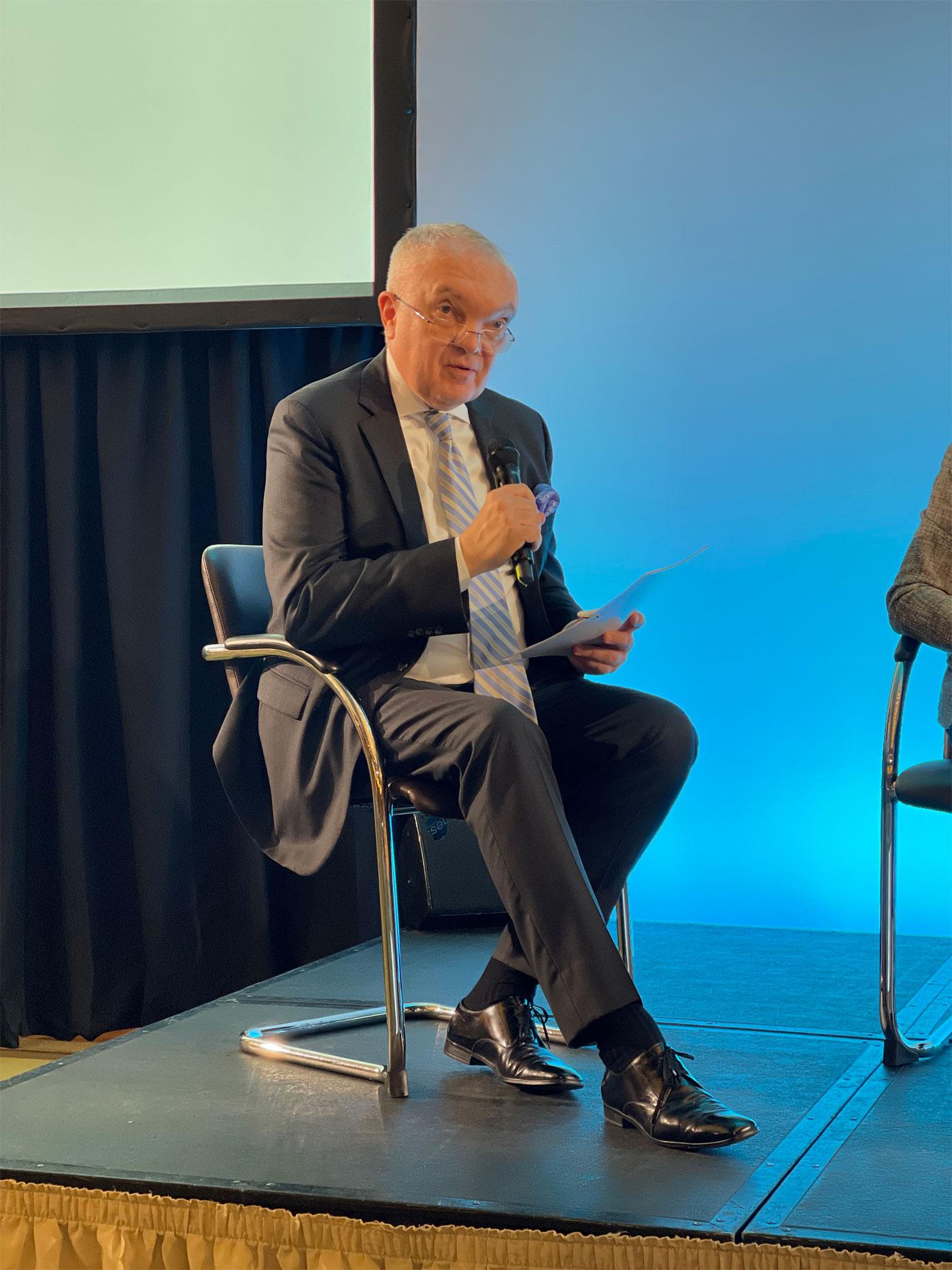
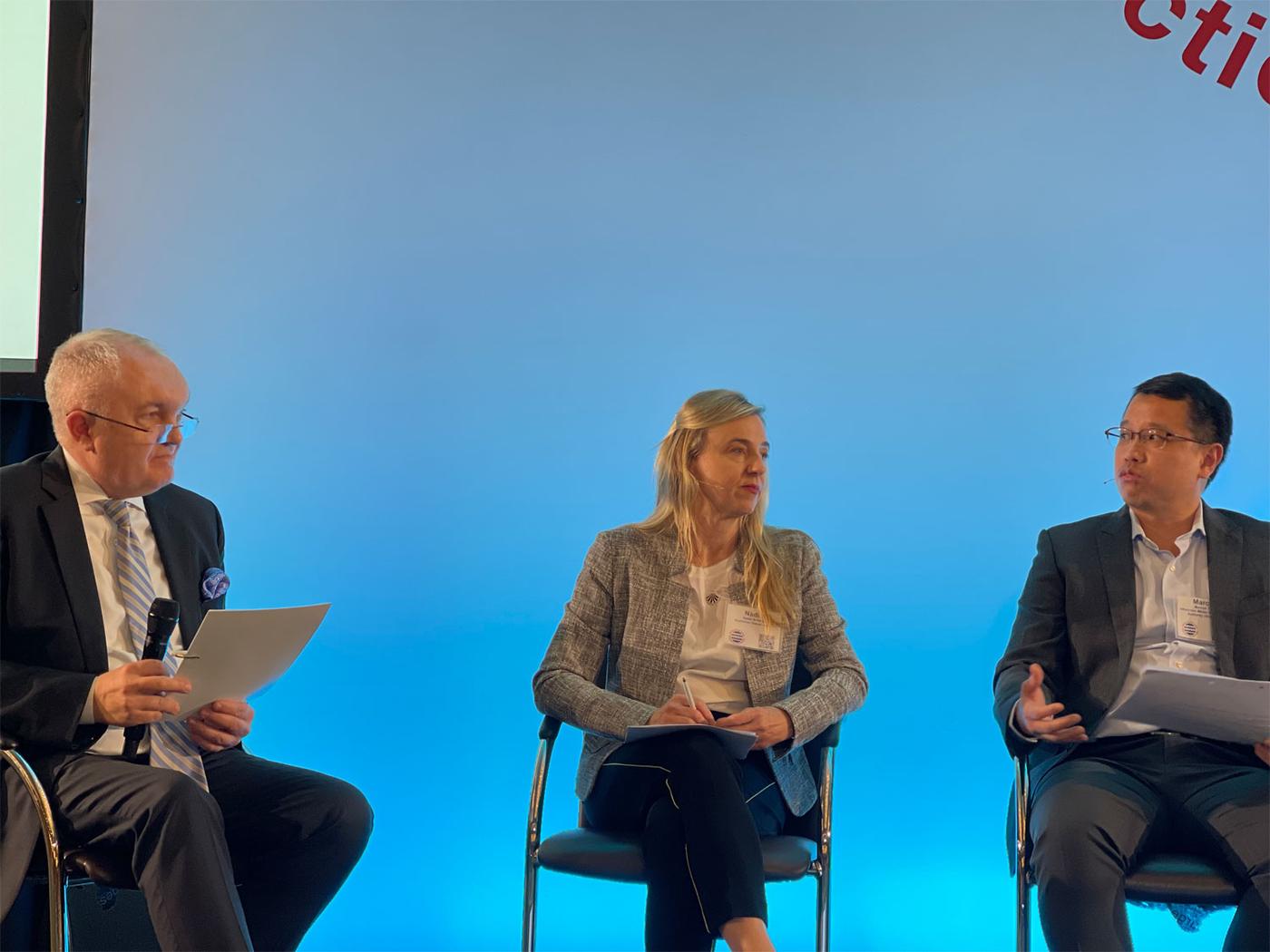
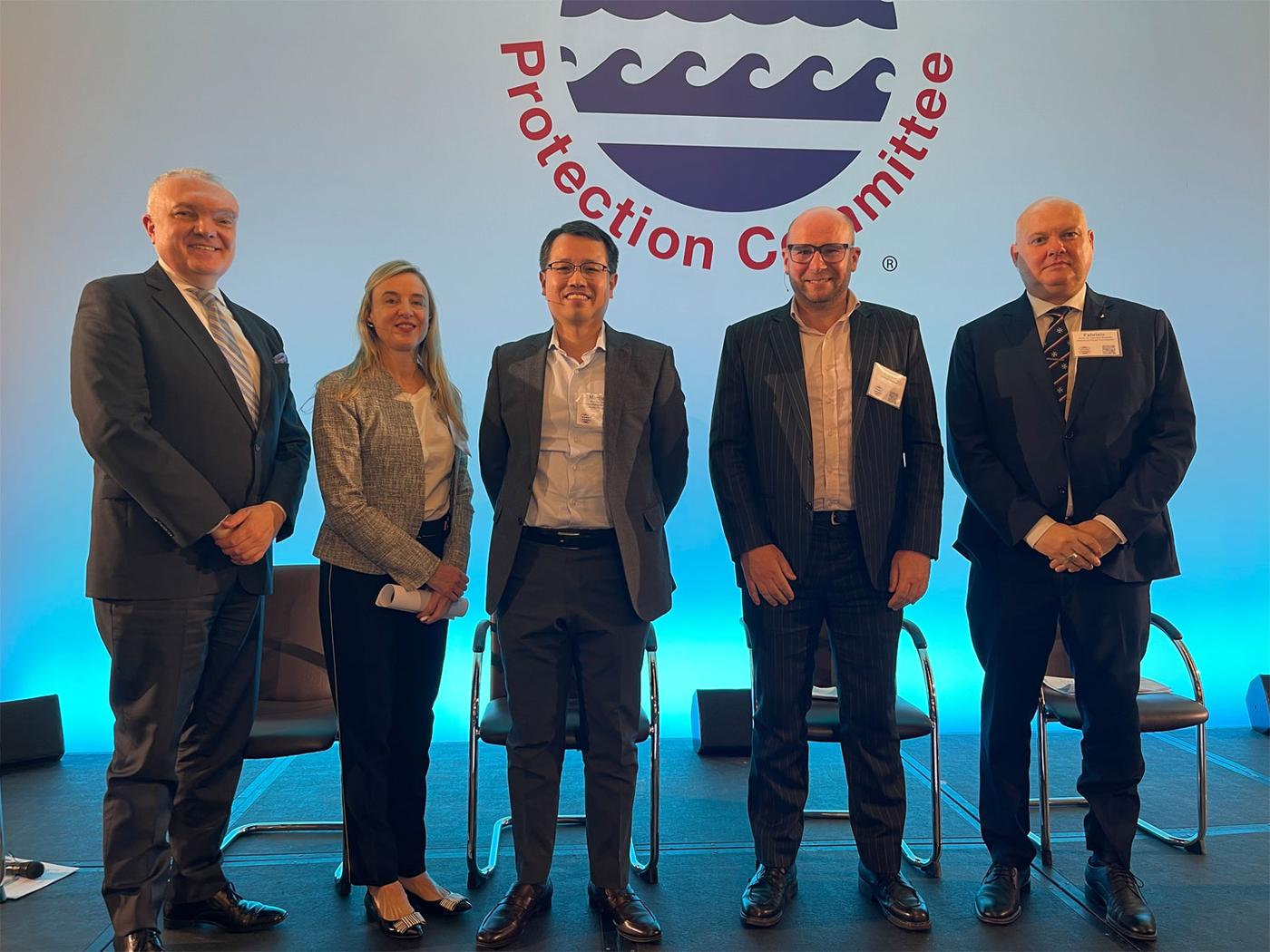
Kent Bressie, ICPC International Cable Law Adviser, moderated a panel alongside Dr Fabrizio Bozzato from the Sasakawa Peace Foundation, Dr Franck Chevalier from Analysys Mason, Nadia Krivetz from the Australian Department of Foreign Affairs & Trade, and Marcus Tong from the Infocomm Media Development Authority of Singapore (IMDA) discussing regulatory and policy as it pertains to better protecting subsea cables.
Day 2 is a wrap!
Stay tuned for highlights from the final day!
2026 ICPC Plenary in Athens – Day 3
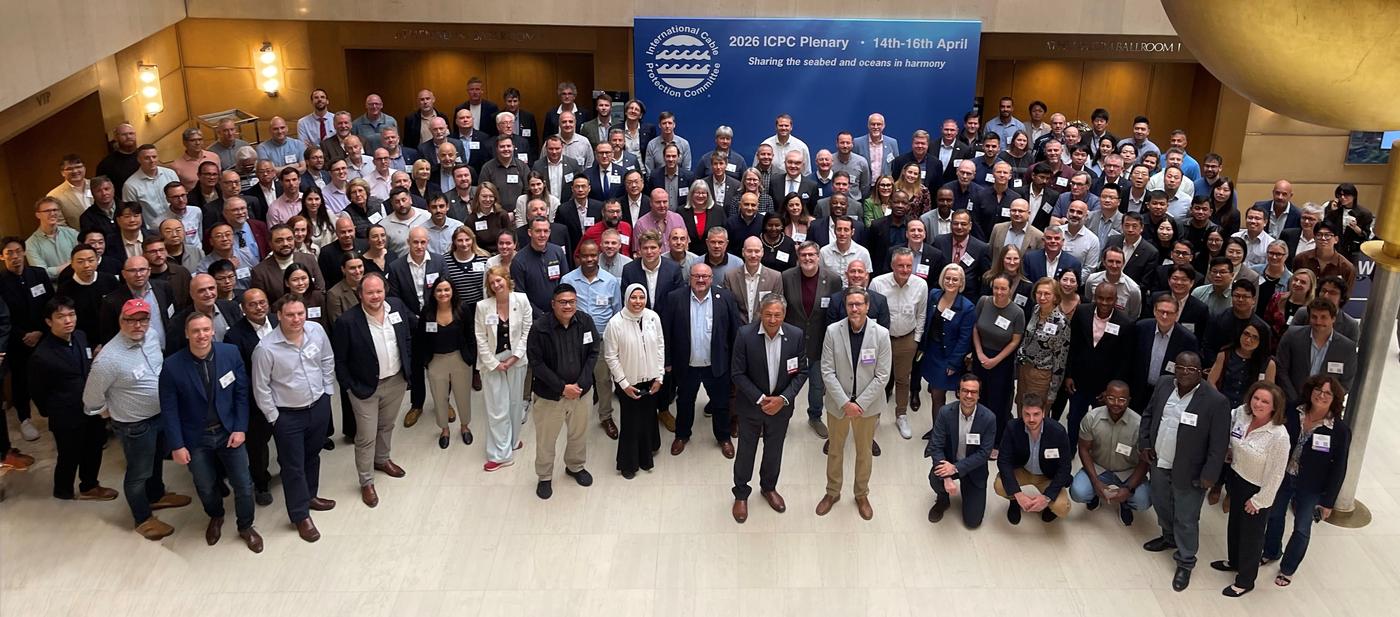
Day 3, 16th April 2026—the last day of the ICPC Plenary in Athens, Greece. Once again, the agenda was packed with key highlights and takeaways provided below. For further details, please download the full presentation when available from the Members area of the ICPC website or reach out directly to the presenters for more details.
Updates from different groups were provided to kick off the morning session, which included how the organisations are collaborating with other groups and their ongoing activities and projects to improve subsea cable protection.
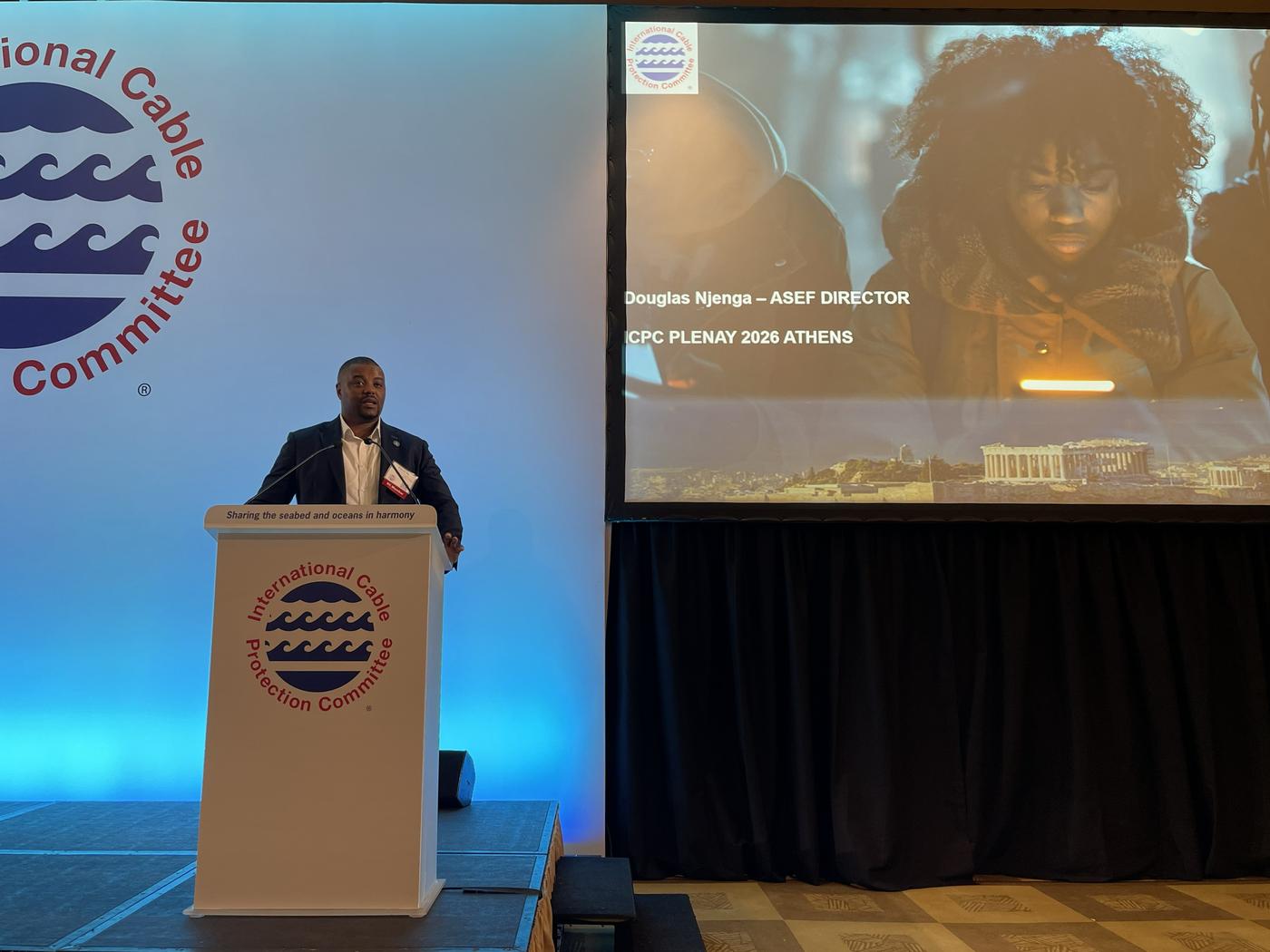
- ASEF (Africa Subsea + Ecosystem Forum) – Douglas Njenga, West Indian Ocean Cable Company
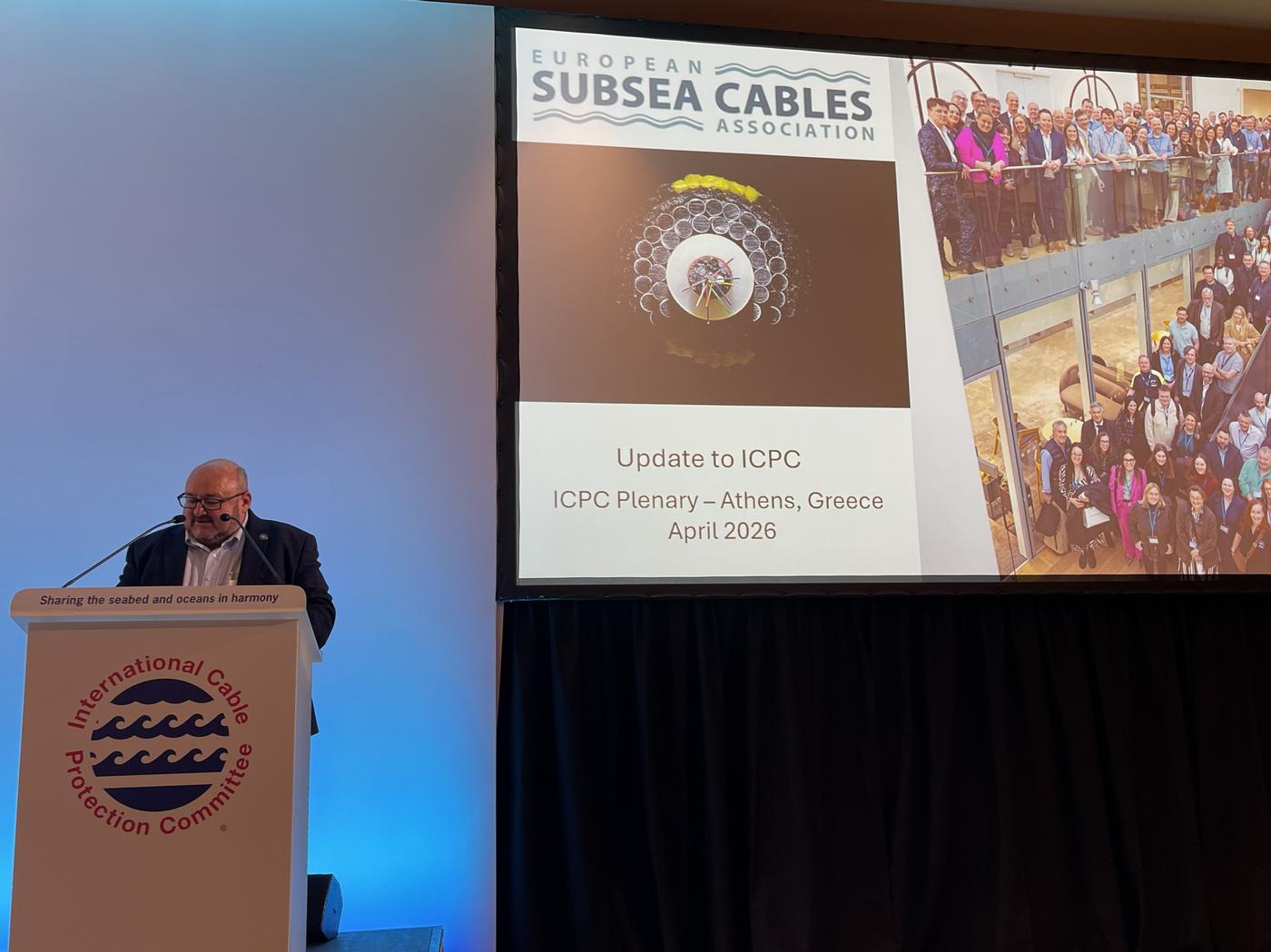
- ESCA (European Subsea Cable Association) – Stephen Holden, ESCA Chair
- NASCA (North American Submarine Cable Association) – Gerry Tourge, DRG Undersea Consulting
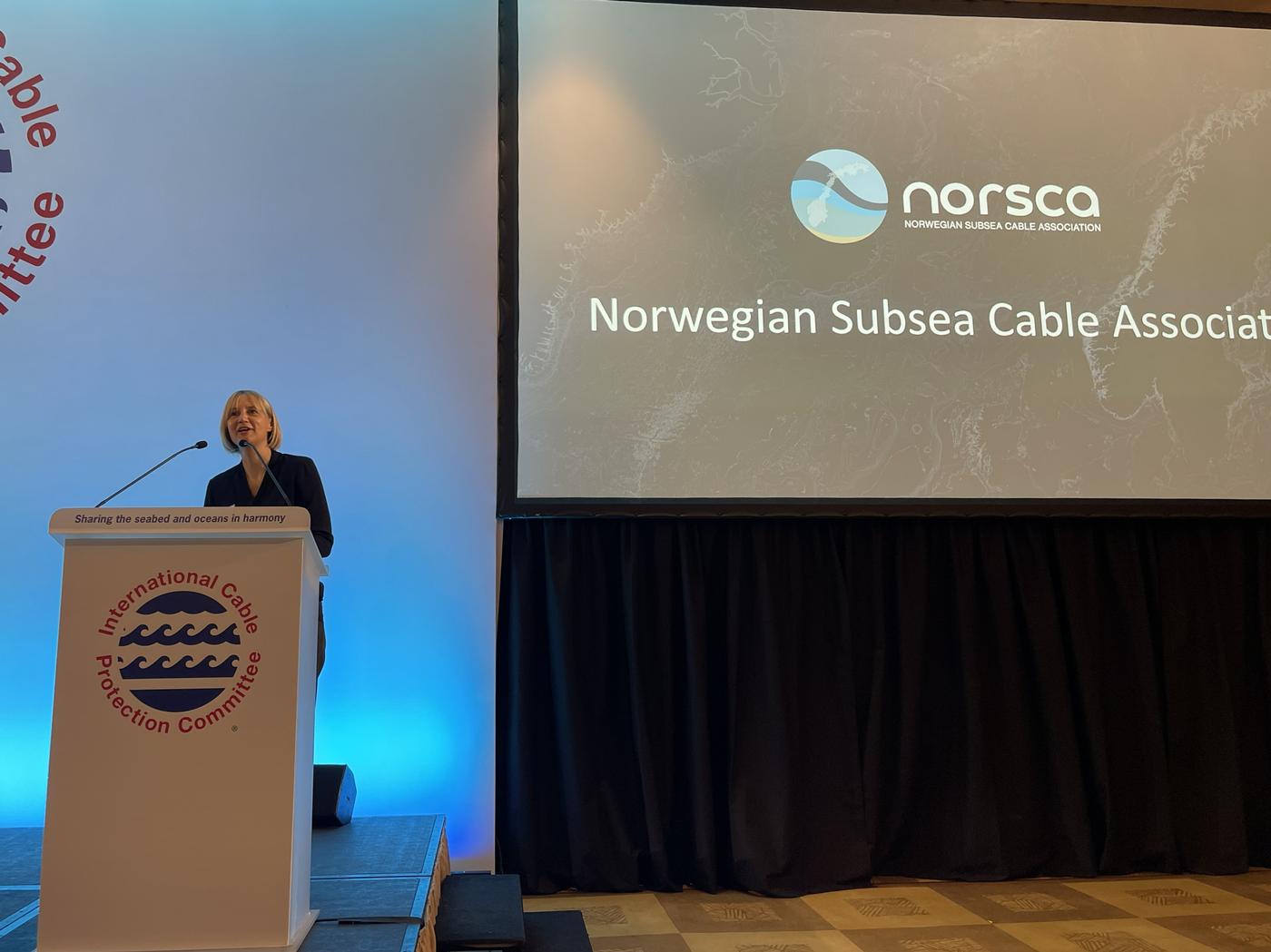
- NorSCA (Norwegian Subsea Cable Association) – Merete Caubet, Bulk Infrastructure AS
- OSCA (Oceania Submarine Cable Association) – Mike McGrath, Spark New Zealand
Erian Putra Assyakur, Submarine Operation at Telin, presented ‘Breaking the Bureaucracy Myth: Why is Indonesia Outperforming Traditional Hubs in Subsea Cable Governance’ where several industry perceptions of the difficulty in deploying and repairing subsea cables in Indonesia waters were addressed from various vantage points. To address industry (mis)perceptions, Erian stated that ‘In 2025, Telin Operation multi-ministry repair permits were secured and executed in just 13 days, which shattered the 20-day Asian average.’ Indonesian cabotage was also addressed.
Nicholas Harrington, Submarine Cable Engineer at Meta, presented ‘The Future of Trans-Atlantic Cable Routing: Constraints, Compromises, and Consequences’ covering deepwater submarine cable congestion in the Atlantic Ocean from 2025 to 2040 driven by unprecedented bandwidth demand driving the largest forecast of 25 new transatlantic cables. Nicholas showed the Makai automated route generation tool, which provides replicable, rule-based route engineering. After explaining what input data was used and what assumptions were made, the analysis results, how to best route 25 new transatlantic cables, were provided along with some challenges to be proactively addressed. The conclusion was that deepwater congestion is not a distant theoretical problem—it is an impending reality.
Richard Norris, Sr. Director Global Submarine Engineering at Ciena, presented ‘Case Study: Operational Benefits of Correlated System Information’ explaining how the correlation of multiple data sources can improve the operator experience when dealing with cable cuts. The building blocks comprise a Network Management System, open APIs for integration of data (wet plant physical location, AIS vessel tracking), sensing technologies (distributed acoustic sensing, coherent modem state of polarisation data, and others) to detect external activity, and automated cable system characterisation to track changes over time. The case study involved Ciena, Southern Cross, and Starboard Maritime Intelligence who used these building blocks to enhance cable security—proactively and reactively.
Matthew West, Route Planning Manager at OceaniQ, presented ‘Lessons from Working in a Crowded UXO Environment in the Southern North Sea and English Channel’ focused on dealing with submerged unexploded ordinance, regularly seen on the seabed around the world. Given the intricacies in working in such a dangerous undersea environment, presented techniques, lessons learned, and recommendations are invaluable to anyone involved in cable deployment and maintenance. To minimise risks related to equipment damage and personnel safety in an unexploded ordinance environment requires a comprehensive risk management mitigation plan to proactively address all expected challenges, and contingently plan for unexpected challenges, before operations start.
Stephen Hall, Consultant at the Nippon Foundation and General Bathymetric Chart of the Oceans (GEBCO) Seabed 2030, presented ‘Accelerating Ocean Floor Mapping’ presented the joint program between the International Hydrographic Organization (IHO) and the UNESCO Inter-governmental Oceanographic Commission (IOC) aiming to provide authoritative publicly available bathymetry (depth) data sets of the world’s oceans. The Nippon Foundation and GEBCO Seabed 2030 Project is collaborating to inspire 100% seabed mapping by 2030 and compile the GEBCO map, which as of June 2026, is expected to be 27.3% completed. The subsea cable industry has unique characteristics, such as global coverage outside Exclusive Economic Zones (EEZ), cable repair ships ready for mobilisation at short notice—ideal for transit data, and relatively few companies, so collaboration can improve and expedite this program.
Dr. Aldo Monaca, Member of the International Advisory Body on Submarine Cable Resilience ITU–ICPC, presented ‘Infrastructure Diplomacy: Paving the Way for Mediterranean Cooperation.’ The Mediterranean is a strategic digital hub because it is the intersection between Europe, Africa, and the Middle East with dense subsea routes and landing points making it a core corridor for intercontinental traffic circulation. Given the density of subsea cable routes, landing sites, and countries involved around the Mediterranean Sea, collaborative governance becomes crucial. The strategic objective is to transform digital centrality into a shared resilience asset, instead of a geopolitical fault line.
Ben Gill, Director of Subsea Security at Ambrey, presented ‘What I Learnt about Subsea Cable Protection after Spending £5m Building a Maritime Domain Awareness (MDA) Platform.’ The platform was created to reduce the risk of external damage to subsea cable infrastructure based on past faults to subsea cables. Lessons learned include risk is seasonal, few marine vessels were responsible for most trawling incidents, it only takes a few trawl crossings to damage an exposed power cable, the faults are easy to find as are cables, 50% of trawling around the UK is dark (AIS off), technology is not enough (need to act on insights), common protection mechanisms do not work, there is no impact tracking, and there is little to no collaboration between cable owners. A case study example was reviewed.
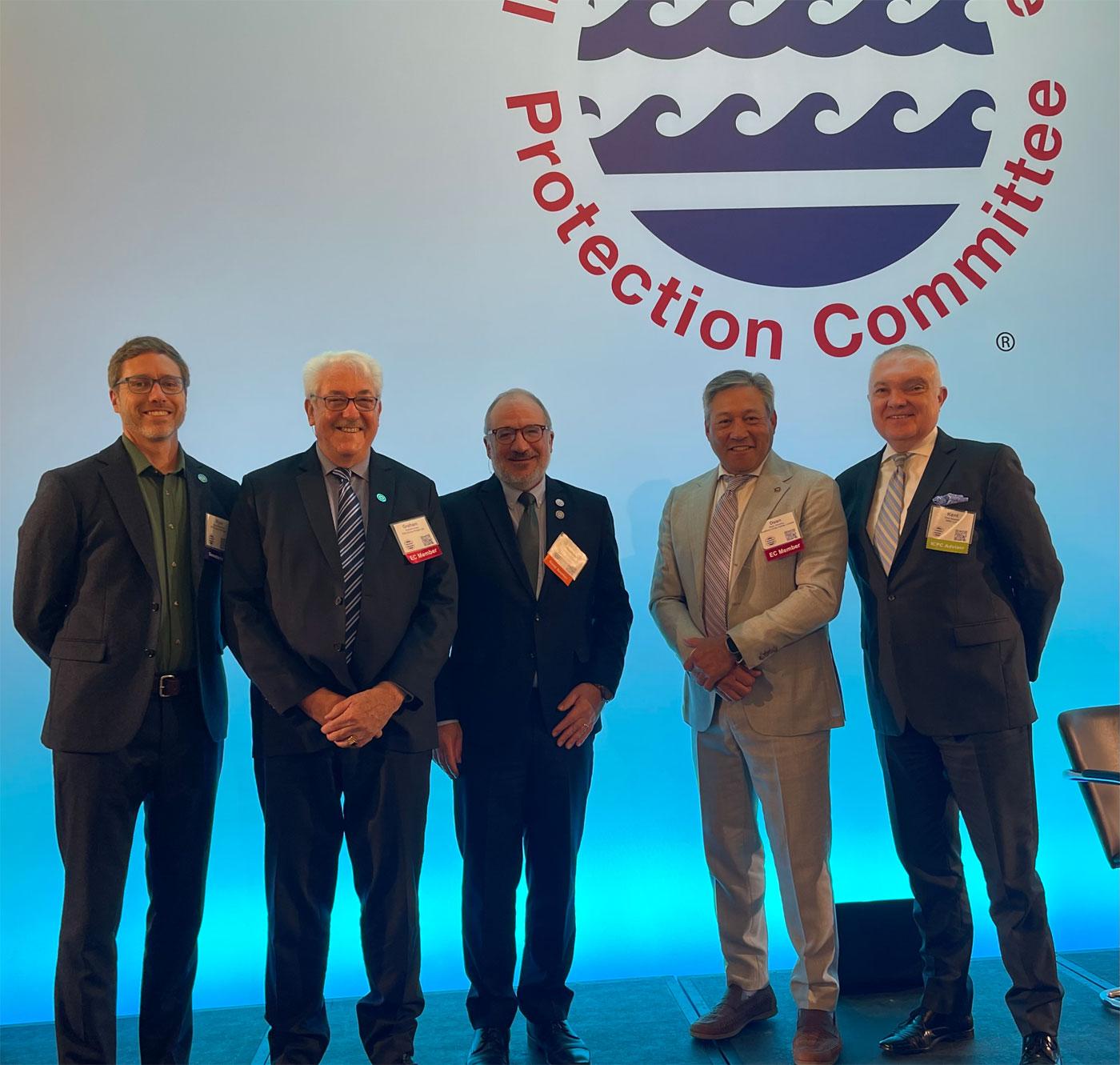
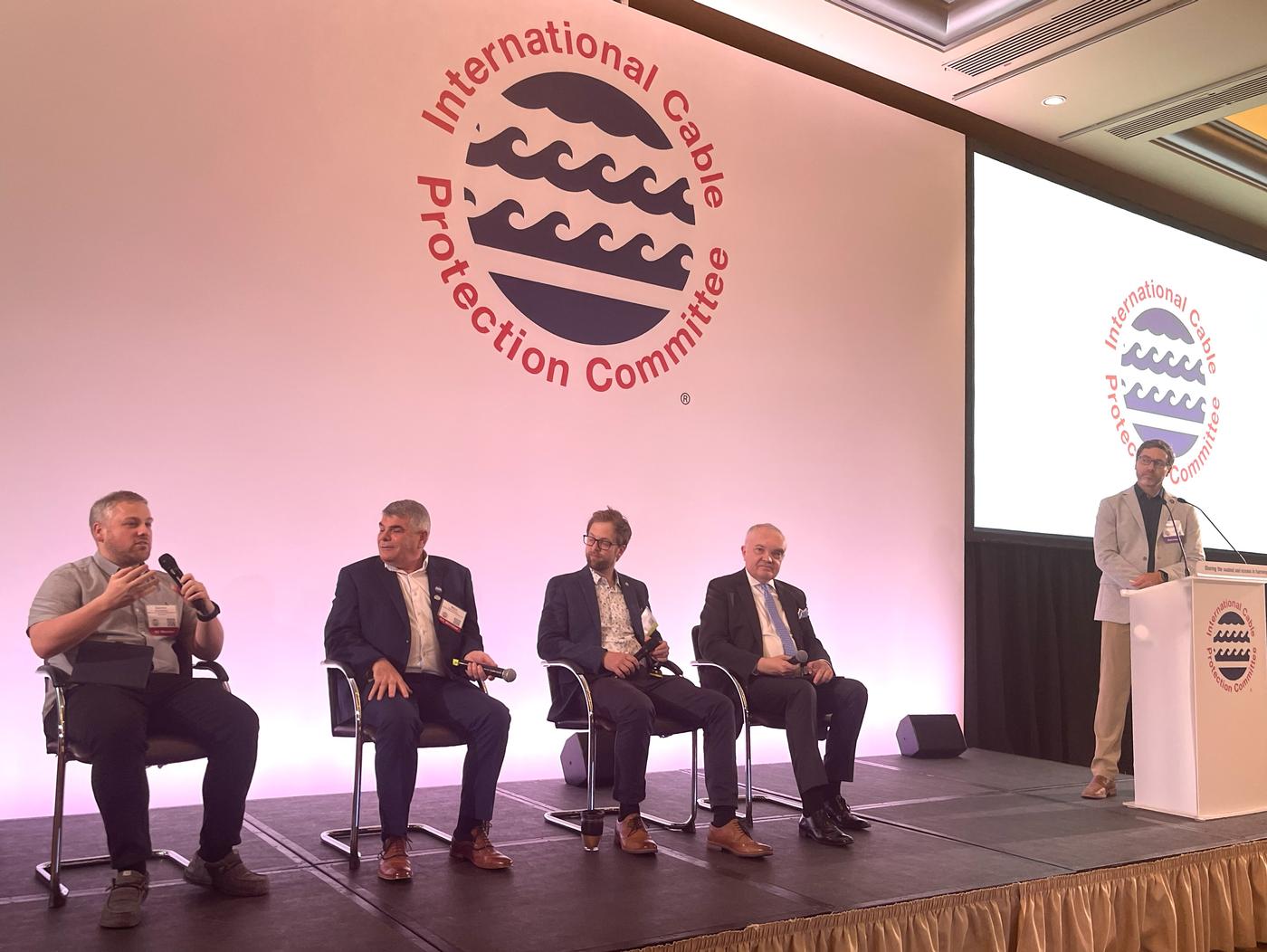
The ICPC Plenary concluded with a wrap-up panel with ICPC Marine Scientific Adviser Dr. Mike Clare, International Cable Law Adviser Kent Bressie, Executive Committee Members Mick McGovern and Darren Griffiths moderated by ICPC General Manager Ryan Wopschall. Panel consensus, from different perspectives, was that collaboration across the industry ecosystem (academia, technology vendors, cable operators, maintenance fleets, organisations, governments, and many others) is critical to the ongoing protection of critical subsea network infrastructure.
It was also announced the 2027 ICPC Plenary will take place 13-15 April in Nairobi, Kenya—which will be hosted by WIOCC. As the capital of Kenya, Nairobi falls under the national motto, ‘harambee.’ Swahili for ‘all pull together,’ which aligns perfectly to the ICPC motto, ‘sharing the seabed and oceans in harmony.’
See you next year in Nairobi!
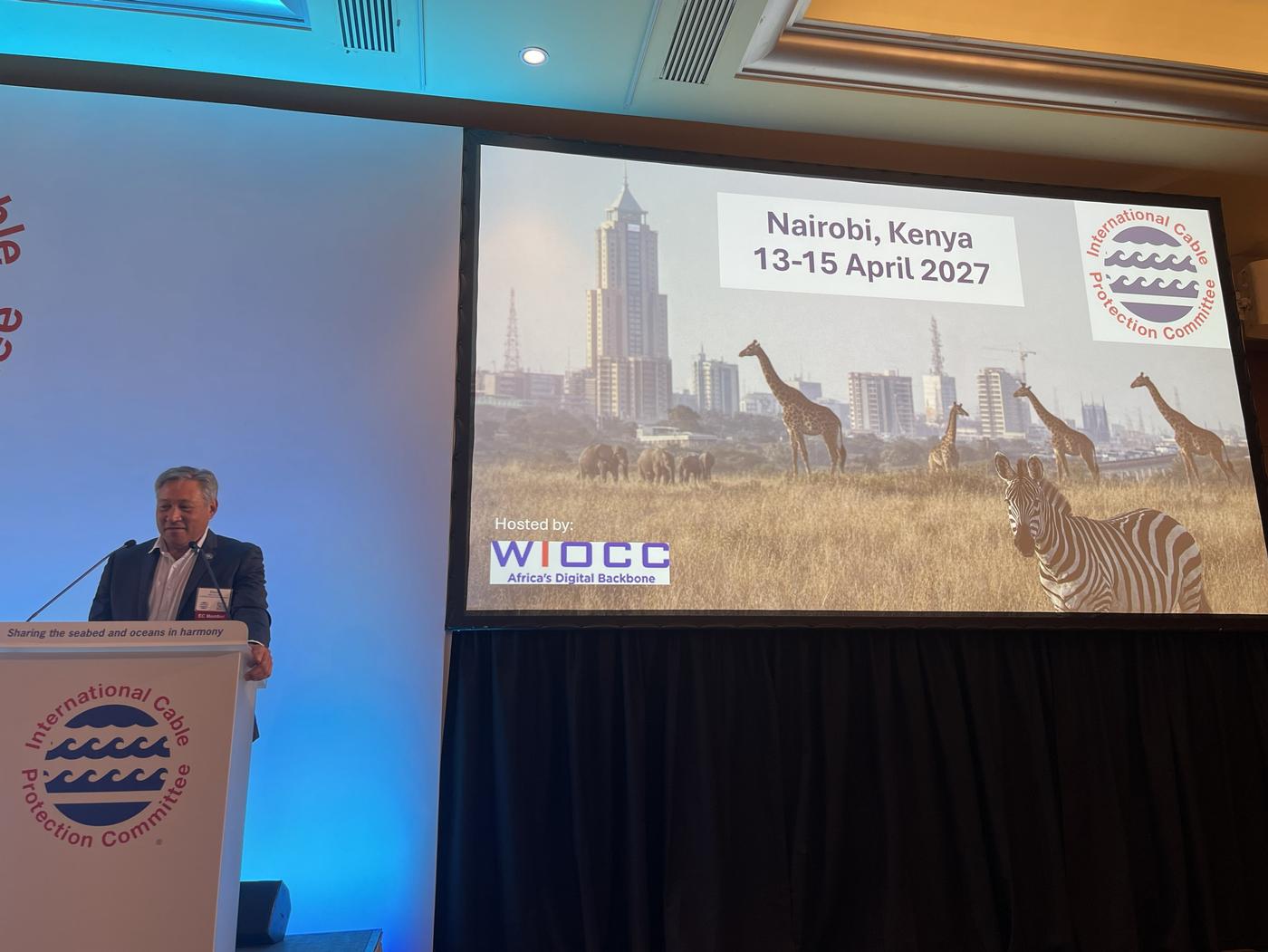
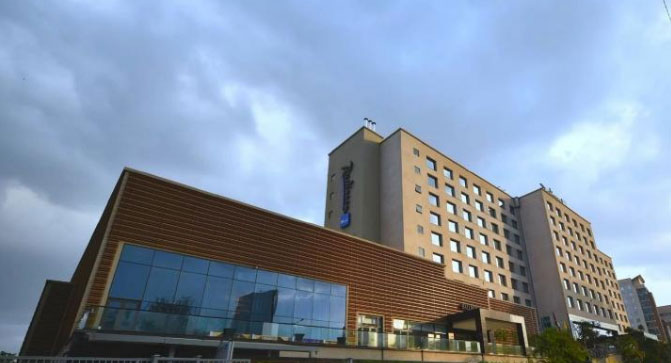
2027 ICPC Plenary: 13th - 15th April 2027
Radisson Blu Hotel, Nairobi, Kenya
'Call for Presentations' to be issued in November 2026.
2027 ICPC Plenary